What Postpartum Support Looks Like in Central New York
Isn’t it fun shopping for newborn clothes, decorating the nursery, and attending birth classes? What an exciting time to prepare for the arrival of the new addition to your family. Many people refer to this stage as “nesting,” or that sudden urge to clean, organize, and prepare your home for baby’s arrival.

The truth is, there’s another major hormone shift that happens right after birth. While the estrogen and progesterone drop, emotions run high; parents are navigating sleep deprivation, physical recovery, feeding challenges, and learning how to care for an entirely new little person.
Many families don’t realize how much postpartum support they’ll need in the pregnancy stage or until they’re already in early postpartum. I see this all the time with families here in Utica and surrounding areas.
Imagine having someone to lean on during this major life transition, someone whose role is not simply to visit the baby for an hour, but to truly support you. A postpartum doula provides emotional reassurance, practical help, education, and a calm presence during one of the biggest adjustments a family can experience. Sometimes, having the right support can make all the difference in how postpartum feels.
The Heart of Postpartum Support
A postpartum doula, in a nutshell, is a person who supports a mother and their family’s transition after introducing a new baby into their home. They provide a variety of support services that can be personalized to each family and what postpartum looks like for them.
Navigating Emotions After Birth
Every woman experiences birth differently. Some describe it as empowering and beautiful, while others may feel overwhelmed, frightened, or simply relieved for it to be over. Some births go according to plan, while others involve complications, unexpected interventions, or experiences that can take time to emotionally process afterward.
And then comes postpartum.
Along with recovering physically, new moms are suddenly trying to learn how to care for a newborn while also trying to care for themselves. That alone can feel incredibly stressful. Sometimes things don’t go the way they imagined they would, and that can bring up a lot of emotions too. Maybe a mother planned to exclusively breastfeed but needs to pivot to pumping, supplementing, or bottle feeding. Maybe recovery feels harder than expected. Maybe she just doesn’t feel like herself yet.
There’s an identity shift that can happen after having a baby. Many women find themselves grieving parts of their old life while adjusting to this entirely new role and version of themselves. Even when a baby is deeply wanted and loved, those feelings can still exist.
This is where postpartum support can make such a difference.
A postpartum doula provides nonjudgmental emotional reassurance during this major chapter. With my RN background, I help families process their pregnancy, labor, and postpartum, because those experiences can influence how you transition into motherhood. I’ve seen how having the right support can help mothers feel more confident moving forward after delivering. That can look like recognizing the signs of postpartum depression or anxiety, talking through lingering emotions after labor, or reassuring a mother that healing takes time.
But, not every conversation is a big one. Many mothers just need a space to talk, with someone who actively listens, reassures, and reminds them they’re going great when things feel hard. Sometimes it’s talking through a difficult night feeding while sitting on the couch in pajamas. Sometimes it’s letting a mother vent about how different her body feels after birth or reassuring her that what she’s feeling is valid and normal.
More than anything, postpartum support is about making sure mothers feel seen, supported, and not alone in the middle of such a life-changing time.
Newborn Care & Confidence
When people think of postpartum support, newborn care is usually the first thing that comes to mind. Postpartum doulas offer newborn services such as feeding, diapering, soothing, assisting sleep routines, and more. But beyond hands-on care, a big part of this support is helping parents feel more confident as they adjust to life with a newborn. That can look like helping parents understand baby cues, offering reassurance around feeding and sleep, talking through soothing techniques, or simply helping them feel less overwhelmed by all the unknowns that come with a new baby.
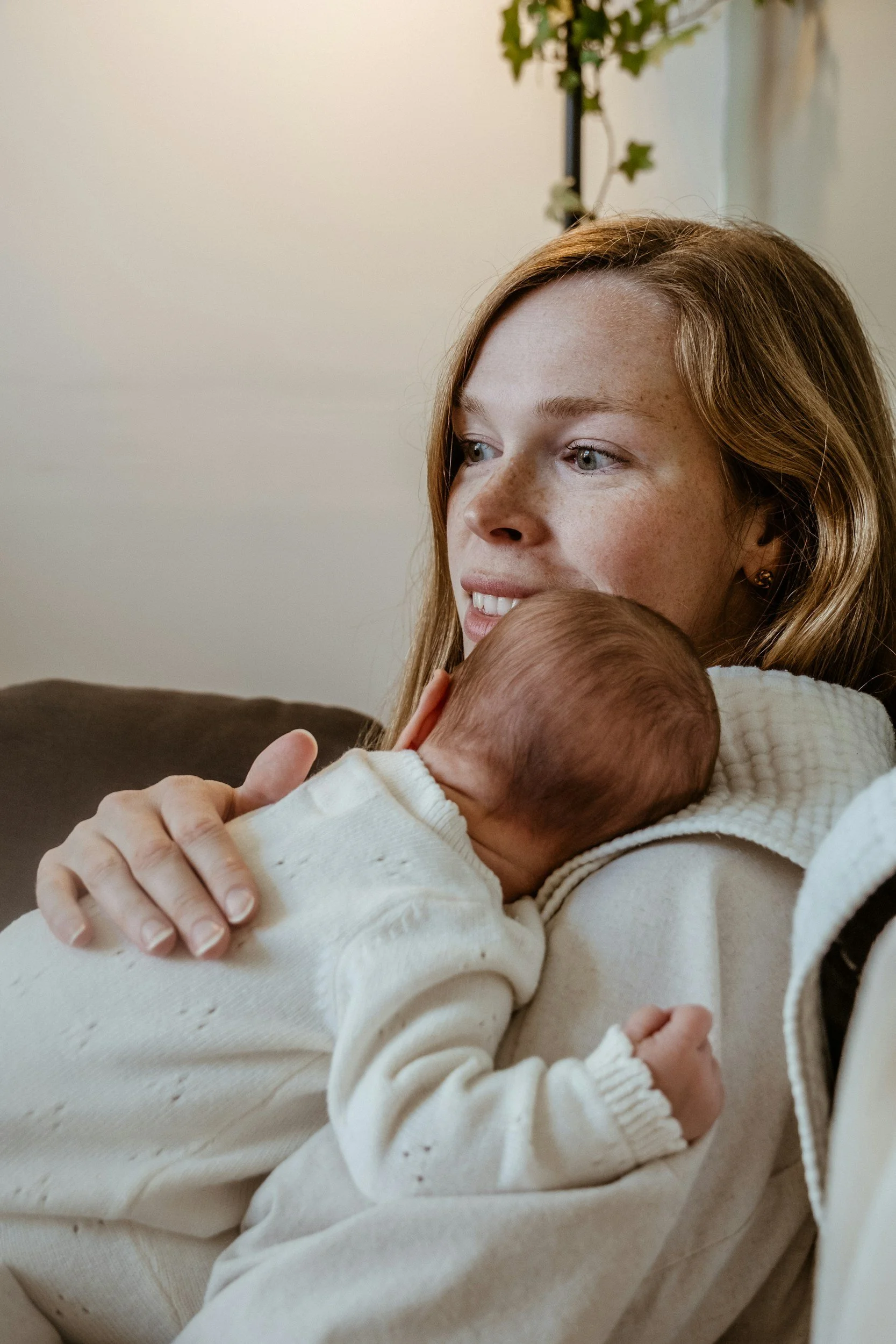
Sometimes support is also as simple as having someone you trust to hold the baby while you finally take a nap, shower without rushing, or close your bedroom door for a little while and just exist for a moment without needing anything from you. Those small moments of rest and breathing room can make a huge difference during postpartum.
As parents get to know their baby, feeding often becomes one of the ways they begin building confidence. Feeding support may include helping families with breastfeeding, pumping, bottle feeding, formula feeding, or a combination of everything. Because naturally, feeding journeys don’t always go according to plan, and parents deserve support without judgment.
With that, one of the biggest things new parents often need is reassurance.
There’s no perfect handbook that suddenly teaches someone how to become a parent overnight. No one is born automatically knowing exactly what to do. And with so much information online, many mothers start second-guessing themselves or questioning whether they’re doing enough.
This is where support and community matter so much. Hence the saying, “it takes a village to raise a baby.” Throughout history, women have had villages help take care of mothers and their babies. Only in recent years, there’s been a societal shift, leaving women isolated and independently juggling it all.
A postpartum doula helps mothers feel more confident in their decisions while encouraging them to trust their instincts. At the same time, they can provide evidence-based education and reassurance so parents feel informed, supported, and less alone as they learn what works best for their family.
Supporting the Mother
Doesn’t it feel like once the baby arrives, everyone’s questions are suddenly all about the baby?
“How’s the baby sleeping?”
“Is the baby eating okay?”
Meanwhile, moms are often sitting there exhausted, overwhelmed, recovering, and trying to figure it all out.
While postpartum doulas absolutely care for the newborn, the heart of postpartum support is about taking care of the mother. Because when moms feel supported, rested, reassured, and cared for, the entire family benefits.
That’s making sure she's hydrated and eating healthy snacks, showing her comfort measures after having a C-section, communicating with visitors about protecting her space with short visits, if that's what she wishes. So when everyone else is looking at the baby, the postpartum doula is looking at her.
Practical Household Help
Support doesn’t have to mean someone taking over your baby. Sometimes, it simply means having someone help take care of you, too.
Picture this: you came home from the hospital a few days ago. The dishes in the sink are starting to pile up, there’s barely anything in the fridge, laundry is everywhere, and you realize you haven’t showered in two days. You and your partner are just trying to figure out life with a newborn and settle into some kind of routine.
And honestly? That’s completely normal.
Postpartum is not meant to look perfectly organized. It’s all about adjustment, recovery, bonding, and survival some days. The housework usually becomes the last thing parents want to think about.
That’s one of the many benefits of postpartum support, it can help lighten the mental load.
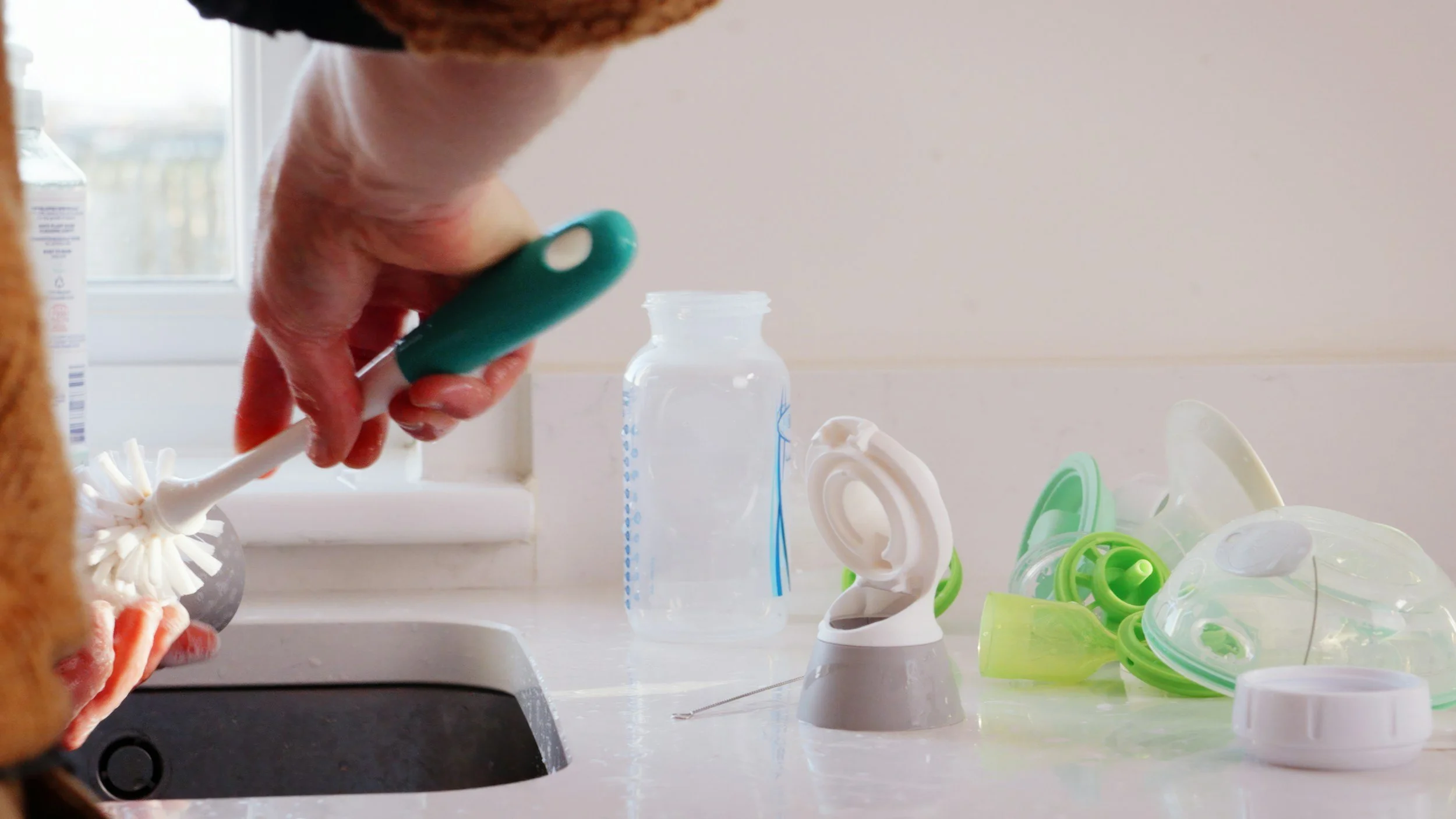
Doula support is flexible and personalized to what your family needs most at that moment. Sometimes that means emotional reassurance and newborn support, and other times it means helping with the small household tasks that quickly become overwhelming after bringing home a baby.
That support may look like:
washing bottles and pump parts
light tidying around the house
prepping snacks or quick meals
folding laundry
grocery pickup or shopping
entertaining older siblings while parents rest or bond with baby
Sometimes having help with the everyday tasks allows parents to slow down, rest, recover, and spend more time soaking in those early moments with their baby instead of stressing over everything else waiting to get done.
Education
While emotional and practical support are huge parts of postpartum care, education and reassurance matter just as much. As a registered nurse, I bring clinical understanding of newborn behavior, maternal recovery, and postpartum changes, while keeping guidance simple and easy to apply at home.
Most partners are learning in real time, too. They’re trying to figure out how to support mom, while also learning how to care for their baby at the same time. Sometimes they want to help but feel unsure of what to do. Because when partners feel confident too, they’re better able to support mom, care for baby, and move through those early weeks as a team. So postpartum doulas don’t only work with you, but also work with partners and other people in your support system.
Speaking of reassurance, instead of asking Google in the middle of the night, why not get your questions answered right away by a doula with real-life experience? This is where my RN background and doula training naturally come into play, not to medicalize the experience, but to help translate something to make it understandable and useful. Parents learn what’s normal, what’s not, and how to respond in a way that builds confidence instead of anxiety.
The Kind of Support I Hope Mothers Feel
Postpartum really is a roller coaster, but not in a negative way. It’s full of love, change, little wins, and moments where you’re like, “Wow… I didn’t know I could feel all of this at once.” My hope is that mothers feel supported enough to actually reach out when they need help, instead of trying to push through everything on their own.
We know from research that when mothers have consistent social support during postpartum, they have lower rates of depression and better overall mental health and well-being (Feinberg et al., 2022). And honestly, that just reinforces something most of us already feel intuitively: establishing a village can make all the difference.
Support really matters in everyday moments too.
Something like breastfeeding, for example, can feel way more complicated than people expect. And studies have shown that when mothers are part of breastfeeding support programs, continuation rates are higher compared to those who aren’t.
But I think beyond all the research, what matters most is this:
I want mothers to feel like they have someone they can text, call, or have me come over when things feel heavy. Someone who helps them slow down to take it all in, because we all know how fast this phase goes. Someone who reminds them that what they’re going through is normal.
I want them to actually enjoy the little things. The newborn coos, the quiet bonding moments in the middle of the night, the small wins that don’t always feel small that minute.
And I want them to feel proud of themselves, not just for growing and delivering a baby, but for everything it takes to adjust to who they are becoming in the process.
This whole transition has a name, matrescence, and it deserves patience, support, and a lot of grace, for both mom and her partner as they figure it out together.
I'm Emma, a registered nurse, postpartum doula, and mom of two boys, serving families in Central New York. My goal is to give you the postpartum experience you always dreamed of.
If you’re preparing for postpartum or already in this era, I have free resources you can download to help you feel more supported during those early weeks at home. And if you’re thinking this is the kind of support you’re looking for, you can book a discovery call with me so we can talk through what you need and create a personalized plan for you and your family.
References:
Feinberg, E., Declercq, E., Lee, A., & Belanoff, C. (2022). The relationship between social support and postnatal anxiety and depression: Results from the Listening to Mothers in California Survey. Women’s Health Issues, 32(3), 251–260.https://doi.org/10.1016/j.whi.2022.01.005
Inekwe, J. N., & Lee, E. (2022). Perceived social support on postpartum mental health: An instrumental variable analysis. PloS one, 17(5), e0265941. https://doi.org/10.1371/journal.pone.0265941
Rodríguez-Gallego, I., Corrales-Gutierrez, I., Gomez-Baya, D., & Leon-Larios, F. (2024). Effectiveness of a Postpartum Breastfeeding Support Group Intervention in Promoting Exclusive Breastfeeding and Perceived Self-Efficacy: A Multicentre Randomized Clinical Trial. Nutrients, 16(7), 988. https://doi.org/10.3390/nu16070988
